

parentingdigital educationtechnology balance
05.09.2025
Back to school:how to move from “summer on the phone” to “real school”
Goodbye beach T-shirts, backyard pool, and “just one more episode, please!” on YouTube. Autumn is here and with it, the new school year begins. The backpack is filled with new notebooks, parents run a marathon through stores for supplies and uniforms, and children try to get used to waking up early again.
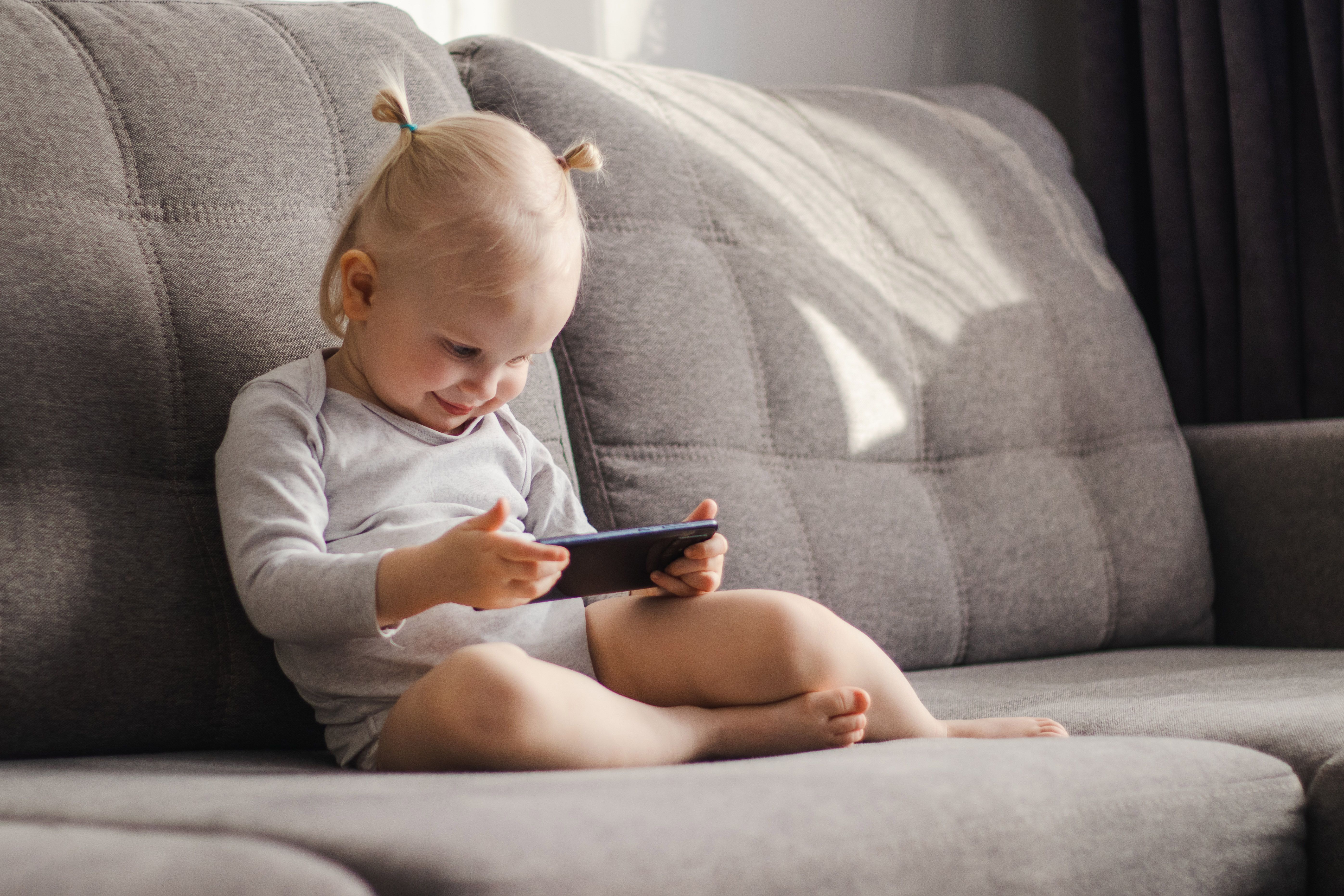
For many children, the summer vacation brought more freedom and fewer rules. This often meant more time spent in front of screens. Whether it was online games, funny videos, or social media, the phone and tablet were a constant source of entertainment. This is not unusual. Studies show that during vacations, screen time can increase significantly compared to school months.
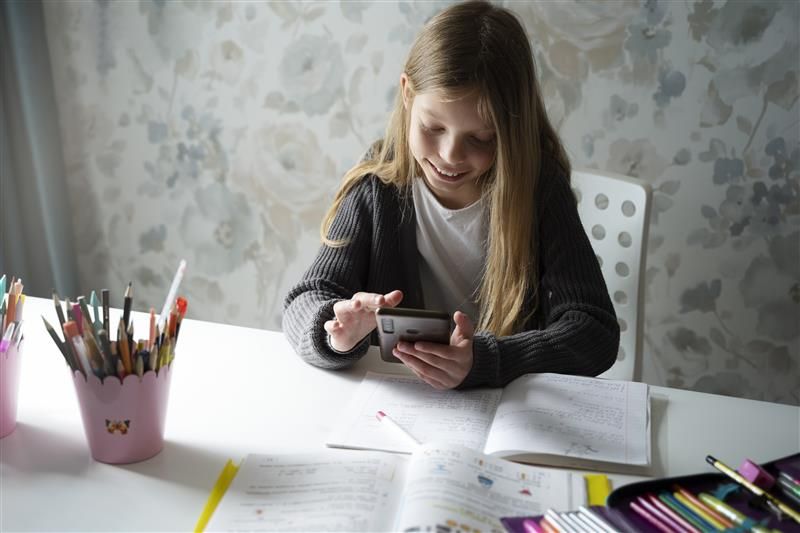
The challenge now, at the beginning of September, is this: how do we help children get back into the rhythm of homework, exercises, and concentration, without the phone being a constant distraction?
Summer and screen time records
If you noticed that your little one spent more hours on the phone than playing outside, you are not alone. Research shows that during vacations, screen time can increase by 30–50%. And it makes sense: no homework, no early wake-ups, more free time — the phone becomes a constant attraction.
The problem appears now, at the beginning of September, when the school routine has to be reinstalled. The child’s brain is still set on “quick rewards”: likes, new levels in games, short videos — and less on focus and patience. Parents, in turn, face the well-known daily struggle: “Put the phone down and do your homework!”
But let’s look at this story a little differently. What if we didn’t see the phone only as an enemy, but tried to turn it into a partner?
From bans to collaboration
Parents who try the classic approach — “that’s it, from today you’re not allowed on the phone anymore” — quickly discover that it doesn’t work. Children become frustrated, parents get tired, and tensions rise. And even if the ban seems to solve the problem at first, in reality it doesn’t create a healthy relationship with technology.
A more effective approach is collaboration. That means involving the child in setting the rules. Explaining why limits are needed, but also showing how the phone can be used for things that help them learn, discover, and grow.
Tutorina – the app that changes the rules of the game
Tutorina is not just another rigid parental control tool. It is an app designed especially for families, where parents and children work together as a team. How does it work? Simple and friendly:
- Set screen limits and choose which apps are allowed.
- Add daily tasks — homework, reading, exercises — that unlock access to the phone. The child knows exactly what needs to be done, and there are no endless arguments.
- Integrate educational activities and quizzes adapted to their age. Practically, the phone also becomes a little fun teacher.
- Monitoring and clear reports — you always know how much time your child spends on the screen and what they do there, without having to watch them all the time.
Tutorina turns the phone from a rival into a partner. And that makes all the difference: the child learns to be responsible, the parent gets rid of the “policeman” role, and the whole family can breathe more easily.
Why now is the perfect time
The beginning of the school year is like a reset. Children adapt more easily to new rules and routines when everything else is changing around them: schedule, teachers, activities. If you wait too long, summer habits become entrenched and the struggle gets tougher.
That’s why the first weeks of school are ideal for introducing Tutorina into the family routine. You show the child that technology remains part of their life, but in a way that helps them do homework, stay focused, and learn new things.
Back to school with smiles, not arguments
The school year doesn’t have to start with endless discussions about phones and tablets. You can turn this challenge into an opportunity to build healthy digital habits.
Tutorina helps you say “yes” to technology, but on your own terms. It offers control, education, and collaboration in a single app. And most importantly, it gives you peace of mind knowing that the phone is no longer an obstacle to learning, but a support for your child.
With Tutorina, the path from “summer on the phone” to “real school” becomes shorter and helps you set healthy limits for technology use.