


online dangerscyberbullyingonline safety
16.12.2024
Cyberbullying:How to tell if your child is a victim and how to help
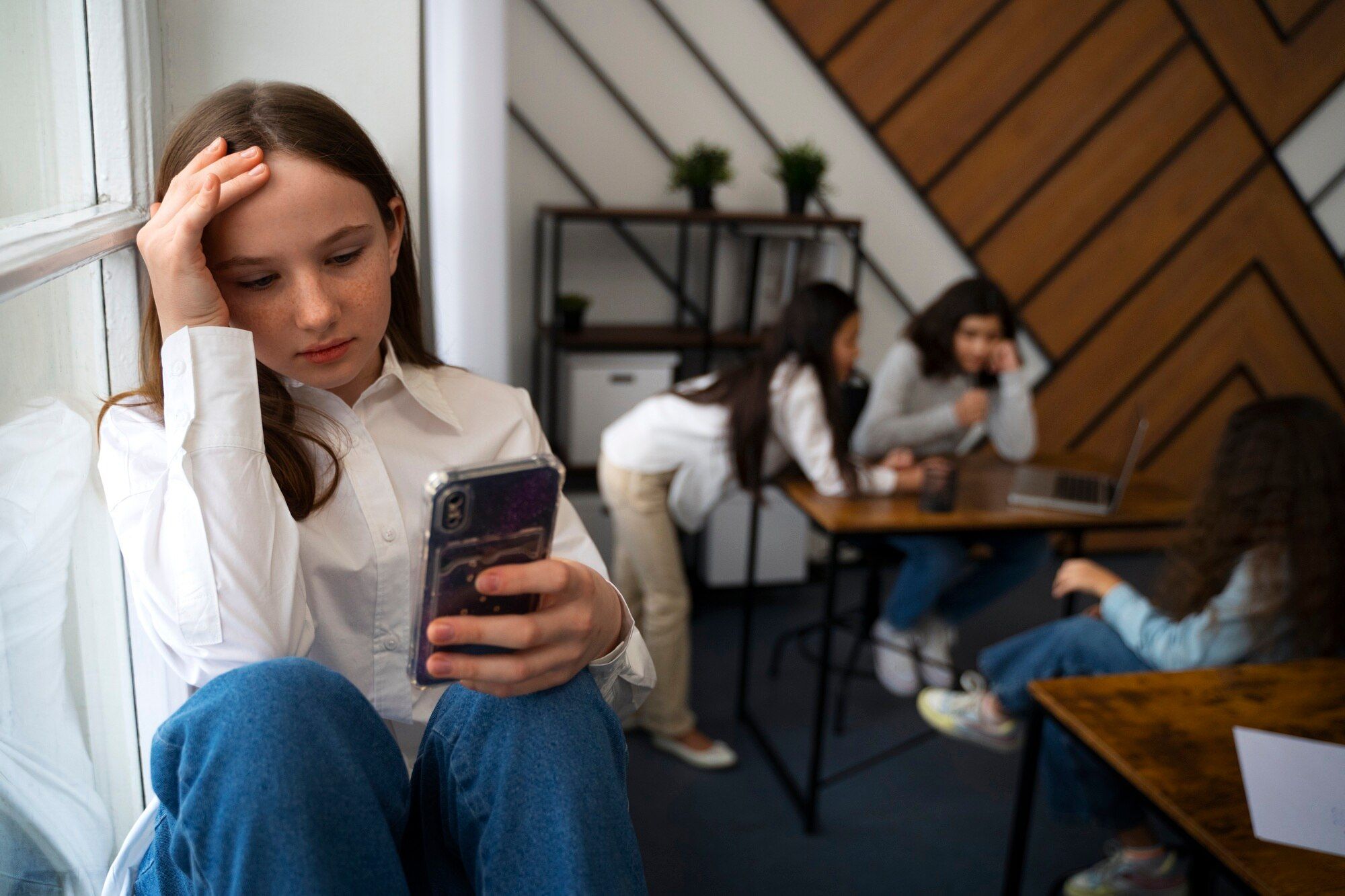
The internet has become an integral part of children's lives, offering incredible opportunities for learning, socializing, and entertainment. Unfortunately, this virtual environment can also hide dangers, and cyberbullying is one of them. As parents, it is essential to be aware of the risks and know how to protect our children.
What is cyberbullying?
Cyberbullying is a form of aggression that manifests itself through technology. Hurtful messages, threats, spreading false rumors, posting embarrassing photos - these are all examples of cyberbullying It can happen on social media, through text messages, email, or in online games.
Why is cyberbullying different from traditional bullying?
- Anonymity: The aggressor can hide behind a fake profile, making it difficult to identify and hold them accountable.
- Permanence: Online content can remain available for a long time, prolonging the victim's suffering.
- Accessibility: Cyberbullying can happen anytime, anywhere, making the child feel constantly exposed.
Signs that your child is a victim of cyberbullying
Your child may not tell you directly that they are being cyberbullied, so it's important to be aware of the following signs:
- Changes in online behavior: Avoiding using the internet or social media, suddenly becoming secretive about online activity, being agitated or upset after spending time online.
- Negative emotional states: Seems sad, anxious, withdrawn, or irritable for no apparent reason. They may experience low self-esteem, difficulty concentrating, or even depression.
- Sleep problems: Has nightmares, insomnia, or difficulty falling asleep.
- Changes in appetite: Eats more or less than usual.
- Poor school performance: Grades drop, loses interest in school, or has difficulty concentrating.
- Social isolation: Withdraws from friends and family, preferring to spend time alone.
- Physical manifestations: Headaches, stomachaches, or other physical symptoms without an obvious medical cause.
How can you help a child who is a victim of cyberbullying?
- Listen calmly and offer support. Assure them that it's not their fault and that you're there for them.
- Gather evidence. Save messages, screenshots, or any other form of online aggression.
- Report the abuse. Contact the online platform where the aggression is taking place or, in serious cases, the police.
- Block the aggressor. Encourage your child to block the person who is bullying them.
- Seek professional help. A psychologist can help the child overcome the trauma.
How can Tutorina help you?
Tutorina is more than just a parental control app. It is an educational partner that helps you create a safe online environment for your child and build a relationship based on trust and communication.
- Monitoring and alerts: Tutorina notifies you if it detects signs of cyberbullying in your child's online activity, in the case of messages received on WhatsApp. You receive alerts for messages with aggressive, offensive, or threatening content, so you can intervene promptly.
- Content filtering: You can block access to dangerous websites and applications.
- Open communication: Tutorina facilitates dialogue with your child, through the function of negotiating time spent online. This way, you involve them in setting the rules and help them understand the importance of a balance between online and offline life.
Tutorina is not a magic solution, but a tool that, along with open communication and proper digital education, can help you protect your child from cyberbullying. Together, we can create a safer online world for children!