

parentingpersonal development
27.08.2025
Children’s emotions are valid:correct behaviors, not feelings
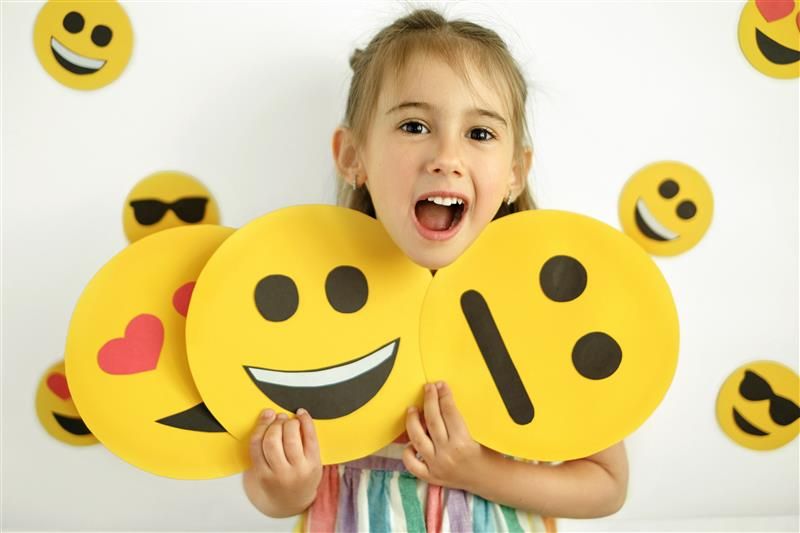
Children experience emotions at full intensity. For an adult, their reactions may seem exaggerated or illogical, but for them, they are real and authentic. It is essential for parents to understand that children have the right to feel whatever they feel, even if the way they express those feelings needs to be guided.
Rules, respect for others, and appropriate social behavior must be corrected when broken. But emotions—whether sadness, fear, anger, or excitement—should be accepted as a normal part of the human experience. When a child learns that certain emotions are not allowed, there is a risk that they will repress them, and this can negatively impact their emotional health in the long run.
Why minimizing children’s emotions is harmful
Phrases like “Stop crying over that!”, “You’re scared for no reason” or “Don’t make a mountain out of a molehill” send the child the message that their feelings don’t matter. In reality, emotions, including pain or anger, have an adaptive role and help the child understand both the world and themselves.
The problem is not that a child gets angry, but how they choose to respond to that anger. Hitting, shouting, or aggression are behaviors that can be corrected, but anger itself is a normal and natural reaction.
Distinguish between emotions and behaviors
An essential step for any parent is to separate what the child feels from how they act. For example:
- Sadness is a valid emotion, but shouting or refusing to cooperate are behaviors that require correction.
- Anger is natural, but hitting or breaking objects are actions for which the child must face consequences.
This way, the child learns that they will not be criticized for what they feel, but they are responsible for how they express those feelings.
How to help children cope with difficult emotions
Raising an emotionally balanced child means teaching them that feelings should not be hidden, but recognized and managed. Parents play a central role here: normalizing emotions and showing that there are healthy ways to express them.
Practical examples:
1. Put into words what you observe
When a child experiences an intense emotion, they sometimes don’t know how to express it. If the parent helps by labeling the feeling (“you seem disappointed,” “you feel angry because it didn’t turn out the way you wanted”), the child develops emotional vocabulary and better understands what is happening inside. Over time, they will be able to say “I am sad” instead of reacting with tears or aggression.
2. Offer healthy alternatives for expression
Children need safe outlets to release tension. Instead of hitting or yelling, you can show them how to draw what they feel, listen to calming music, run outside, or talk about what upset them. This way, they learn that emotions don’t simply disappear, but can be managed through activities that help them feel better without hurting anyone.
3. Explain the difference between emotions and behaviors
It is important to communicate to the child that any emotion is allowed, but not every behavior is acceptable. You can say: “It’s normal to feel angry with your brother, but it’s not okay to break his toy.” This type of message helps the child understand personal responsibility: emotions are not punished, but actions that harm others have clear consequences.
4. Use personal example
Children carefully observe how their parents react. If they see you stay calm in traffic or go to work even on a day when you’re sad, they understand that emotions don’t have to completely dictate behavior. Share openly with them: “Today I am tired, but I choose to be polite to people because that’s the right thing to do.” This modeling by example is one of the most powerful forms of learning.
Life lessons for emotional development
A child who knows how to recognize and manage their emotions will build stronger relationships, adapt more easily to school, and be better equipped to face life’s challenges.
For parents, this means two things:
- Transform moments of crisis into learning opportunities.
- Pay attention to your own reactions and model calmness and self-control.
Children learn not only from what they are told, but also from how they see their parents handle anger, frustration, or disappointment.
Children’s emotions should not be punished, but the inappropriate behaviors that stem from them should be corrected. Accepting feelings and providing healthy strategies for managing them prepares children to grow into balanced, empathetic adults who can confidently face life’s challenges.