


offline activitiesdigital parenting
27.01.2025
Offline activity ideas for kids, supported by experts
In today's hectic world, your children face a multitude of challenges that can affect their mental health. Prolonged pandemic stress, wars, and excessive screen time contribute to the deterioration of their well-being.
As a parent, it is essential to be aware of these issues and take steps to protect and nurture your child's mental health.
In this article, we will explore offline activity ideas for kids that will help them develop harmoniously and build a solid foundation for a healthy life.
1. Limit screen time and internet use
One of the biggest dangers to children's mental health is excessive screen time. Studies show that this can lead to a number of negative effects on children's social and psychological development, including anxiety, depression, sleep disturbances, and obesity.
What can you do?
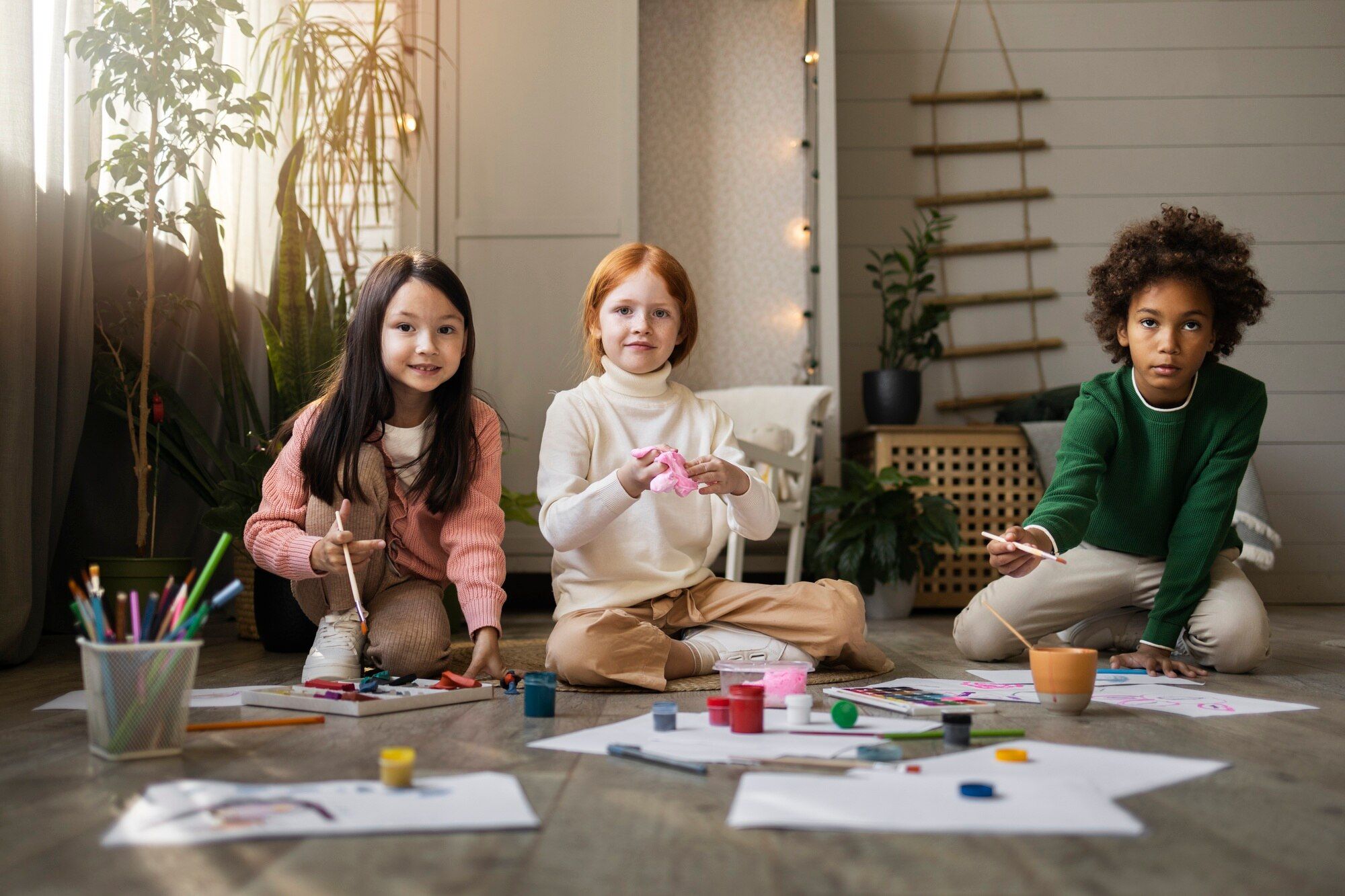
- Decorate "tech-free" spaces in the house: Create a cozy reading corner together, with fluffy pillows and a bookcase full of interesting books, or a creative play area, with various materials for drawing, painting, and modeling. This will encourage children to spend more time in these areas, away from screens.
- Enjoy spending time together watching a movie or playing a game: Choose an activity that you both enjoy, be it a board game, a movie night, or a LEGO building session. These moments of connection and fun will help you create beautiful memories and strengthen the parent-child relationship.
- Connect daily: Set a fixed time each day to discuss your day and listen to each other. Put your phones aside and focus on real, face-to-face communication. Ask the children how they feel, what made them happy or sad during the day, and share your own experiences with them.
Tutorina can help you manage your children's screen time. The app allows you to set time limits, block access to certain apps and websites, and schedule downtime.
2. Spend (a lot of) time with the little ones
Time spent with children is essential for their mental health. Studies show that quality time spent with parents is directly correlated with children's well-being and their academic performance.
Here are some ideas:
- Explore creativity: Paint, draw, sculpt with clay, or build together! Creative activities stimulate imagination, develop fine motor skills, and provide a way for emotional expression.
- Music unites us: Listen to music together, sing, or dance to your favorite tunes. Music has a therapeutic effect on mood, reduces stress, and promotes emotional connection.
- Do household chores together: Turn cleaning into a fun game and teach your child responsibility. By working together, children learn the importance of collaboration and contributing to the well-being of the family.
3. Practice social-emotional learning
Social-emotional learning is the development of personal skills needed to manage work and life, including self-awareness, self-control, and interpersonal skills.
We come to the rescue with some ideas:
- Create a bedtime reading routine: Read stories together and make it a relaxing habit. Reading aloud helps children develop their vocabulary, imagination, and empathy.
- Let the child choose the books: Encourage them to discover the magical world of reading and develop their imagination. Provide them with access to a variety of books and magazines so they can choose what they want to read based on their own interests.
- From screen to book: Suggest that they read the book of their favorite movie or cartoon and compare the experiences. This activity can help children discover the joy of reading and develop their critical thinking.
4. Encourage children to read more
Reading has a number of mental health benefits, including improved memory, speech development, and academic performance. Reading also helps children develop resilience, empathy, and emotional intelligence.
5. Teach your children healthy habits
Healthy habits, such as a healthy diet and regular exercise, can prevent and treat mental health problems.
A few ideas:
- Skilled cooks: Cook your favorite recipe together and enjoy a delicious meal as a family. Involve your children in preparing meals, teach them about healthy ingredients, and enjoy the end result together.
- Family meal: Eat together and enjoy pleasant conversations and moments of connection. Family meals are an excellent opportunity to spend quality time together, share experiences, and strengthen family bonds.
- Movement and health: Play sports together, ride bikes, or play in the park. Regular physical activity has numerous benefits for children's physical and mental health, including reducing stress, improving sleep, and increasing self-esteem.
Tutorina can help you set daily priorities for your children, such as reading, exercise, or chores. The app rewards children with virtual "keys" for fulfilling these priorities, which they can use to unlock screen time or wishes.
With Tutorina, you can:
- Set time limits for screen use.
- Block access to certain apps and websites.
- Set daily priorities, such as reading, exercise, or chores.
Tutorina is more than just an app, it is your educational partner, which helps you familiarize your child with healthy habits. Discover Tutorina and build a harmonious relationship with your child in the digital age!
We hope this article has been helpful in understanding how you can protect and nurture your child's mental health. Remember to be kind to yourself and your child.